Strabane Cricket Club All-Time XI:
Over twenty years ago, after a meeting of the Northern Ireland Cricket Association in Eaton Park, Ballymena, I spent a while chatting to the great Ivan Anderson, who was also on the Board of NICA at the time.
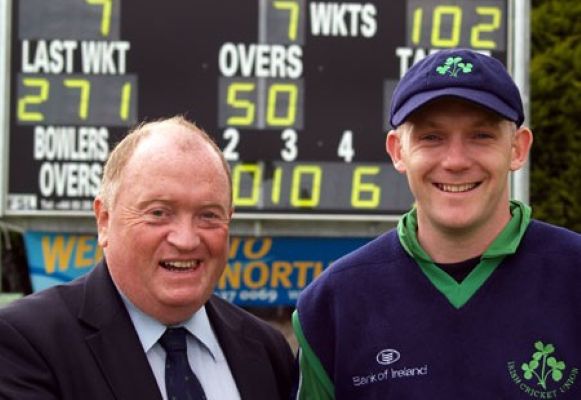
We got round to talking about players we both knew well (senior and junior cricketers) and I’ll never forget his words in relation to every name that came up - “he was at his best when the going got tough” or “he was no good when the chips were down, Joe”.
Ivan was adamant that the critical quality of a player was his value to the team and the cause when the pressure was on and I have never forgotten that assessment.
In selecting Strabane’s all-time greatest cricket team (in batting order), I have favoured players who produced the goods when the chips were down and who also showed outstanding grit in performing as a team player.
My selection is centred on repeated examples of resilience, big-match temperament, and team-first performances. Selecting an all-time XI for any cricket club is an exercise rich in both nostalgia and controversy.
Numbers alone will never tell the full story; statistics must be weighed alongside character, courage and the ability to perform when circumstances are at their most unforgiving.
This Strabane Cricket Club All-Time XI has therefore been chosen with one guiding principle above all others: players who delivered when the chips were down and who consistently put the team first. The result is a side balanced in skill and temperament, steeped in grit, and shaped by individuals whose contributions defined matches and seasons.
- Charles McCrum
Opening the batting is Charles McCrum, a name synonymous with reliability. McCrum was the cornerstone upon which many Strabane innings were built. He was always ready to attack loose bowling from the start, while prizing his wicket doggedly.
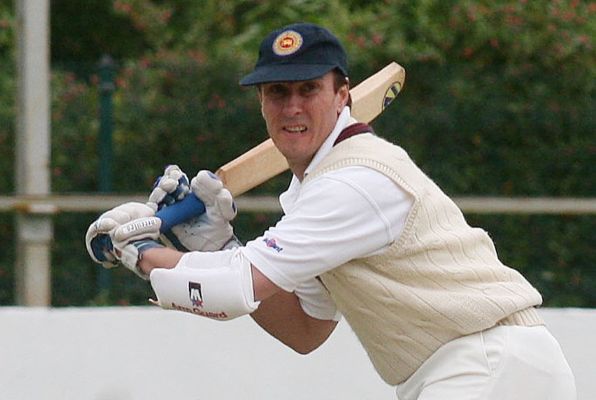
When the club was alerted to McCrum’s availability one day in early 1997, we knew we were getting one of the elite cricketers in Ireland and a proven winner. From the outset, Charles fitted into the team like a glove, such was his dedication, discipline and attention to detail at the top of the order with John Gillespie. Runs came freely, due particularly to his ruthless punishment of anything short.
In his second season, the club were serious contenders for the Irish Senior Cup and sure enough, fully progressed to the Final, thanks to a Peter Gillespie century at Malahide in an early round and a gritty 60 from Charles in the semi-final at Dublin YMCA. Strabane went on to defeat Ballymena in a tense final at Beechgrove - the club’s only victory in the premier competition, in more than forty attempts. Charles’s contribution with bat and ball in that era will never be forgotten.
2.Jonathan Beukes*
Partnering McCrum is Jonathan Beukes, an accomplished exponent of controlled aggression whose ‘silent assassination’ of bowling attacks mesmerised all of us - often gliding to 30 or 40 without many really noticing!
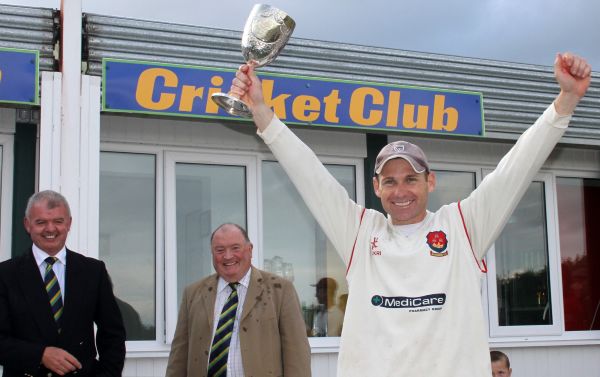
His inclusion as captain (*) reflects his leadership on and off the field: fearless, proactive, and utterly committed
to the collective cause. He led the team by example, in expert control of the resources available to him, possessing the rare ability to shift momentum decisively, punishing anything loose while still displaying the discipline required in tight chases.
When Strabane needed belief, ‘Jonno’ provided it with bat, ball, fielding and presence. The affable South African had come to the club after spells playing in England and Scotland, where he had played for the Scottish national team as well. Beukes captained the Red Caps to their first outright senior league championship in 42 years when he did the business in 2010.
3. Brendan Donaghey
Although he was undoubtedly one of the star batsmen in the North West in the post-war years, Brendan Donaghey was also a valuable and popular team player.
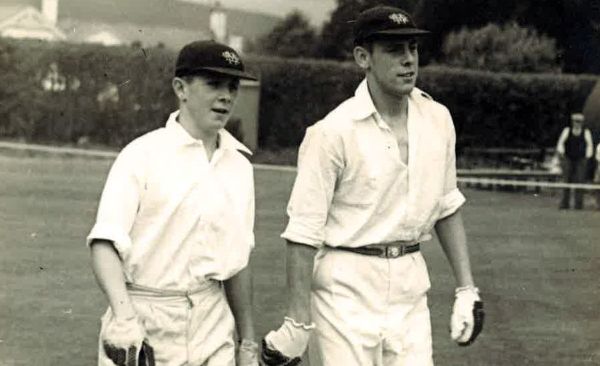
His infectious enthusiasm and chirpy dressing-room and on-field manner added greatly to his superb performances with the bat. He contributed decisively to the historic League and Cup double in 1966 under his brother Daniel’s captaincy, scoring a majestic 118 in the first innings of the Senior Cup Final against Ardmore.
Technically sound and mentally unyielding, Donaghey was another who thrived in situations where early wickets had fallen and rebuilding was required. His self confidence was always in evidence and, more often than not, it rubbed off onto his teammates in tight situations, as well as unnerving the opposition. He loved the big occasion and was a constant support to his teammates on the field, especially the bowlers. Nimble footwork and a wristy technique meant he played with a stylish flourish. He was always a crowd pleaser. A brilliant number three.
4. Paddy McLaughlin
Paddy McLaughlin might be described as the Decker Curry of his day: both were left handed, both from Donemana, both scored heavily at both their home club and another North West rival club and both were more than useful bowlers. In Paddy’s case, he was a run machine that was mentioned in the same breath as the great Andy McFarlane of Sion Mills and Donald ‘E.D.R.’ Shearer of City of Derry, who were the North West giants of the time.
Few players embodied competitive spirit like Paddy McLaughlin. Batting at four, he combined flair with ferocity, relishing responsibility when matches hung in the balance. McLaughlin was at his best when challenged, never shrinking from quality bowling or demanding situations. Beyond the runs, his competitive intensity lifted his teammates and supporters, consistently and repeatedly injecting urgency and belief into the side.
5. Peter Gillespie
The youngest of the four Gillespie brothers, you could tell from an early age that Peter was going to be a top cricketer. Immersed in the family connection with the club, he showed remarkable talents from his pre-teen years at every age level, and he starred at both provincial and international level, culminating in 123 caps for the full international team.
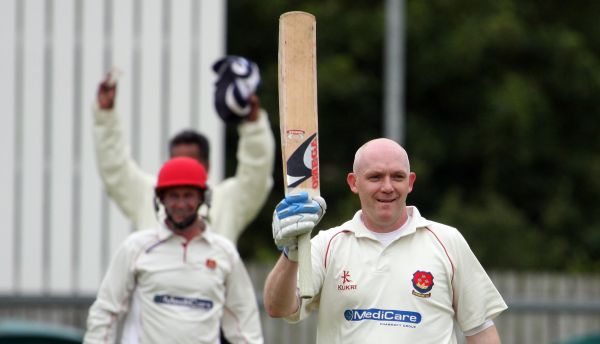
He was a genuine all-rounder for much of his career before moving to concentrate on his batting prowess in his later years which, allied to his superb fielding, never left him.
The longer Peter played, the more reliable he became in Strabane’s middle order: he was an accomplished finisher in games on countless occasions. His inclusion at number five reflects his versatility and cricketing intelligence: comfortable either consolidating or accelerating, Gillespie read game situations superbly.
He was a cricketer who understood partnerships — when to rotate the strike, when to apply pressure, and when to take calculated risks- and his consistency in the middle order provided Strabane with invaluable depth.
6. Mark Gillespie
For most of his career Mark Gillespie was the ultimate ‘go to’ man when Strabane needed a game changer. He began as a promising leg spinner in his early teens and, while progressing through the club teams, actually batted at number 11 in the Seconds. He suddenly blossomed (over winter indoor sessions) at the age of sixteen to nail down a place batting at number six for the Firsts and never looked back.
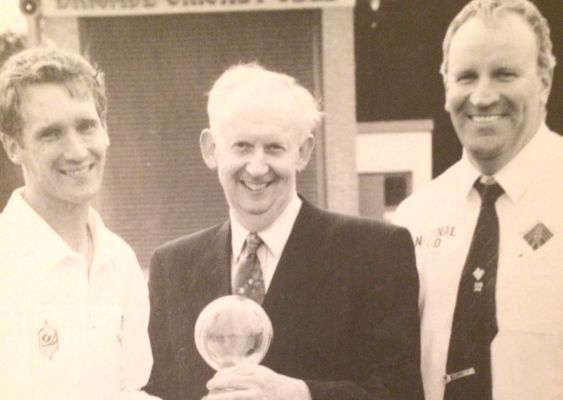
Throughout his career, he was an elegant and entertaining left-hand batsman who relished tricky run chases, often in partnership with big hitters such as Denis Porter or Tony Johnson or one or other of his three brothers.
As a leg-spinner, he was invaluable in breaking partnerships and once having done so, was expert in causing collapses, even involving strong opposition batters. As a protégée of Bobby Rao, himself a Test leg-spinner, Mark was fortunate in that he got the opportunity to learn the googly as well at an early age. He was also a brilliant fielder, close to the wicket and in the deep.
He won three caps for Ireland: many thought he should have won a lot more. Mark was one of those players regarded by opposition teams as one of the most sporting and entertaining opponents and the respect that he gained was universal. His contributions frequently came when lower-order support was thin, and his willingness to stand firm under pressure epitomised the ethos of the successful Strabane teams of his time.
7. Vic Craig (wicketkeeper)
Behind the stumps, Vic Craig was the heartbeat of the fielding unit. As wicketkeeper, his sharp reflexes and faultless technique saved countless runs and created opportunities for wickets from nowhere. He had a long career with the gloves and was always considered one of the best keepers in the country.
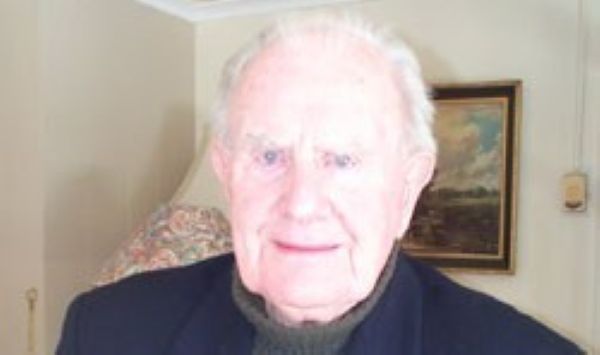
He was capped for Ireland against M.C.C. in 1948 and would have won more caps had it not been for his work commitments in the Post Office service. Vic was also a fine batsman, noted for his running between the wickets and enterprising partnerships in the middle order with the likes of Ronnie Faulkner, John Devine, ‘Rusty’ Briwnee and, before that, Paddy McLaughlin and J.L. Rankin.
His constant communication and encouragement knitted the team together during tense moments. Craig pips another fine Strabane wicketkeeper for this place - Paul McNamee gave outstanding service as an agile and dynamic presence behind these sticks and kept faultlessly to some of the quickest bowlers ever seen at the club - Akhtar, Johnson, Moorehead, and Eaglestone.
8. Hedley Verity
No all-time XI is complete without a top class spinner, and Hedley Verity’s inclusion gives this Strabane team a world-class edge. One of the greatest bowlers of all time, Strabane CC was honoured that Verity chose to play some wartime cricket with the club in 1941, when he was stationed in Omagh with the Green Howards Yorkshire
Regiment.
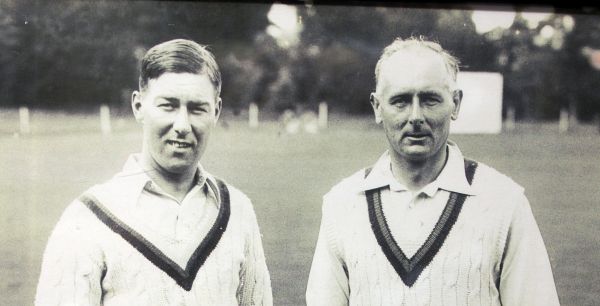
Renowned for his accuracy and relentless consistency, Verity thrived in testing conditions and it was no surprise that he starred for Strabane in their march to the League title that year. He was a bowler who won matches through patience, precision and sheer class.
Shortly before his final illness, I had a long chat with Vic Craig and he told me a great story about Hedley Verity. Strabane were playing a strong Brigade team and could only muster 90 all out on a good home batting track.
At the innings break, the players were making their way to the tearoom and Craig apologised to Verity on behalf of the batters for not giving the bowlers a chance to get Strabane back into the game. Craig said, ‘Verity put his left arm around my shoulder, gave it a little squeeze and whispered, “Don’t worry, Victor, I think we might be alright.”
Ninety minutes later, Brigade were all out for 50 - H. Verity 5 for 11!’
His presence alone demanded respect and Strabane was the envy of all the clubs in Ireland; that such a world-renowned sportsman had agreed to grace the club and the town with his classy presence is still regarded as one of the high points in the club’s history. In 1943, Captain Hedley Verity died in Caserta, Italy from wounds sustained in a battle in Sicily. He was 38.
9. Terence Patton
For over 30 years, Terence Patton was a mainstay of the Strabane bowling attack, with his deadly accurate medium pace and his shrewd reading of opposing batsmen.
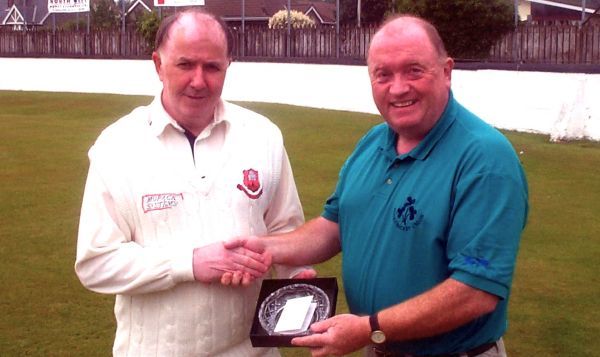
Remarkably, his career had begun as a young opening batsman and wicketkeeper at his native Sion Mills and he has three senior centuries to his credit as well. His bowling economy was miserly and I remember one special occasion when he finished off a match against Limavady by bowling three dot balls when the scores were level, snatching a tie out of nowhere.
Patton provided vital balance to the attack with his all-round contributions. A bowler who reveled in hard spells and a batsman capable of useful, often crucial runs, he typified the team-first mentality. He was dependable, uncompromising, and deeply competitive — exactly the sort of player captains trust when pressure peaks.
10. Paddy Kelly
Paddy Kelly was a special bowler. Whether through pace, swing, movement or sheer determination, Kelly made things happen. He thrived on responsibility, often entrusted with breaking partnerships or closing out innings. His star quality made him a formidable opponent and a cherished teammate.
Paddy played during the World War II years when two of his teammates were no less than Hedley Verity and Norman Yardley, who were both stationed with the Green Howards Regiment in Omagh in 1941. Kelly was so good that Yardley (who, of course, captained England 21 times in Test matches) told Paddy that he could recommend him for a place on any county side in England- with the sole exception of Yardley‘s own Yorkshire, the only reason being that Yorkshire operated a ‘Yorkshire only’ policy at that time.
11. John Beattie
John Beattie delivered consistently with the ball and brought unshakable resolve to the field. In tight finishes or gruelling battles, he was invariably in the fight, exemplifying the grit that defines this team. He was noted for his strength and stamina and was an integral part of the North West inter-provincial XI for many years as well.
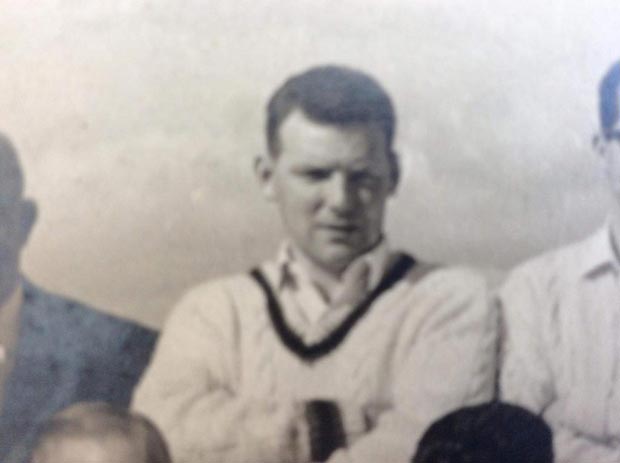
In a long career as an opening bowler for Strabane (and later Sion Mills), John amassed over 1000 wickets and never missed a match through injury - a remarkable achievement for someone who carried a heavy burden of often bowling as many as 30 overs in a one-day match. I remember 1976 in particular as the year that John achieved the remarkable feat of taking the final wicket in a tied match no less than THREE times in the same season. He had made a fine job of following in the footsteps of his uncle, Paddy Kelly.
12th Man: John Gillespie
John was the mainstay of the top order of the batting for over thirty years and shared in many valuable partnerships with partners such as Charles McCrum, Keith Finlay, Jonathan Beukes, Terence Patton (Junior) and his younger brother Michael Gillespie.
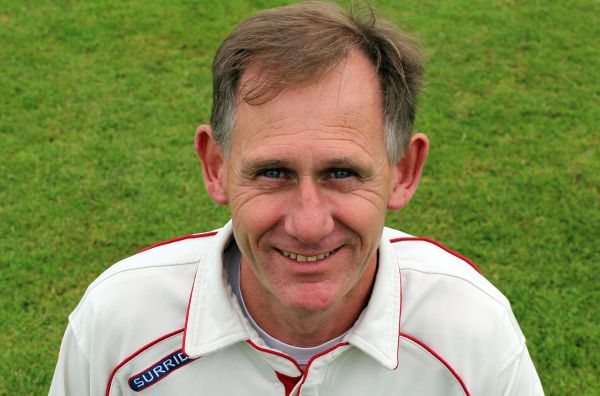
Blessed with an ice-cold temperament, his defensive technique was modelled on that of his dad Paddy (also a fine opener) and nurtured by the coaching of the club’s first overseas professional M.V. Narasimha ‘Bobby’ Rao who joined the club in 1980, when John was still under 15.
Honourable Mentions
Any selection of this nature inevitably leaves out outstanding players: John Gillespie, Paul McNamee, Ronnie Faulkner, Norman Yardley, Shoaib Akhtar, Tony Johnson, Jerry Kirton, Bobby Rao, Aubrey Finlay and J.L. Rankin all pushed hard for inclusion.
[John Mooney was not considered as he is still carving out his own history as a player and coach at the club and at inter-provincial and international level. ]
All of the above delivered memorable performances and embodied the competitive spirit of Strabane cricket. Their omission is not a reflection of ability, but of the extraordinary depth of talent the club has fielded over many decades.